
Last Updated on June 4, 2026 by Giorgia Guazzarotti
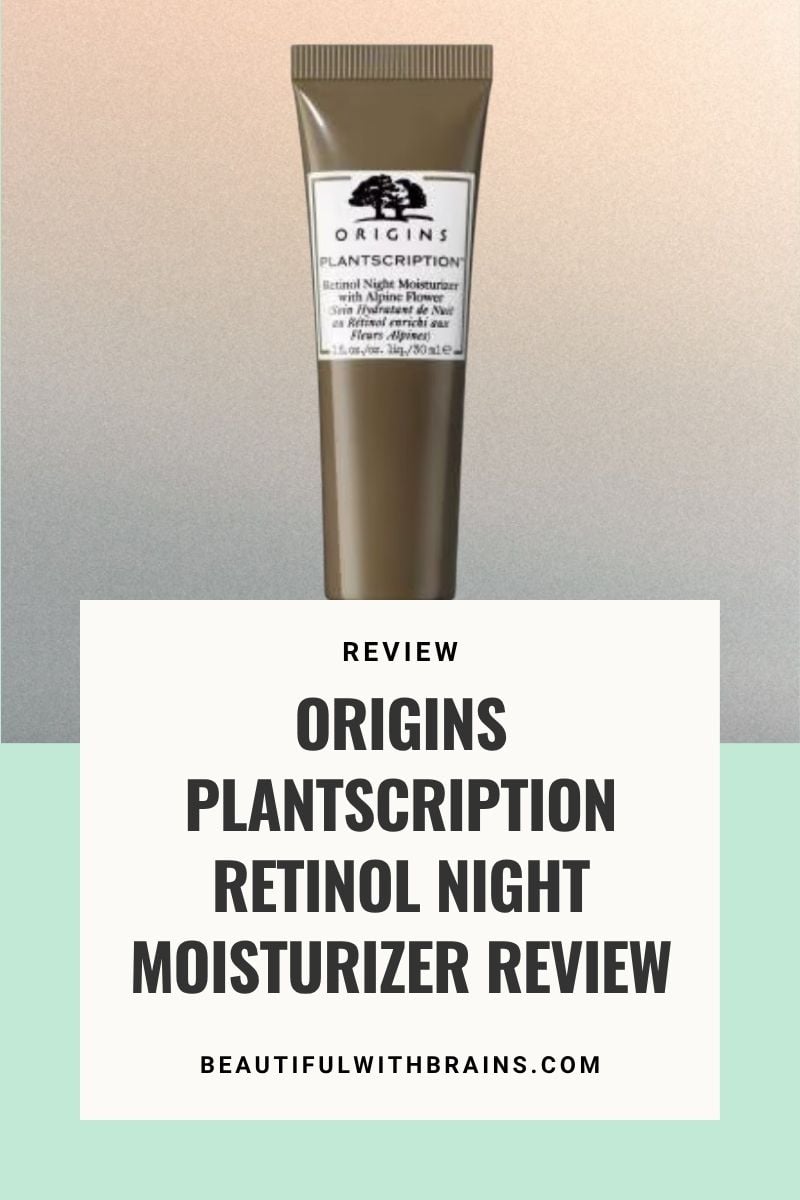
How would you like a Plantscription for your wrinkles? In a world of harsh medical treatment, Origins Plantscription Retinol Night Moisturizer With Alpine Flower stands out as a gentle alternative that promised to harness the dual power of plants + high-grade retinol to keep wrinkles off your face without drying out your skin. And I so want it to deliver. Sadly, it has the same flaw a lot of natural products have. *sighs* In this Origins Retinol Night Moisturizer review, I’ll set the record straight on what this night cream can do, potential side effects, and who should use it. Let’s get into it:
- Key Ingredients In Origins Plantscription™Retinol Night Moisturiser: What Makes It Work?
- The Rest Of The Formula & Ingredients
- Texture
- Fragrance
- How To Use It
- Packaging
- Performance & Personal Opinion
- What I Like About Origins Plantscription Retinol Night Moisturizer
- What I DON’T Like About Origins Plantscription Retinol Night Moisturizer
- Who Should Use This?
- Does Origins Plantscription Retinol Night Moisturizer Live Up To Its Claims?
- Price & Availability
- The Verdict: Should You Buy It?
Key Ingredients In Origins Plantscription™Retinol Night Moisturiser: What Makes It Work?
NIACINAMIDE
Niacinamide is a form of vitamin B3 that absorbs into skin when applied topically. In skincare, it does multiple jobs:
- It helps rebuild the skin barrier by boosting ceramide production (ceramides are essentially the glue that holds your skin cells together and keeps moisture in). When your barrier is weak, skin loses water faster, feels tight and dry, and gets irritated more easily. Niacinamide helps fix that.
- It also fades dark spots by blocking the process that moves pigment up to the skin surface.
- It reduces inflammation. That last part is specifically relevant in this cream because retinol irritates skin, and niacinamide helps counteract that.
DIMETHICONE
Dimethicone is a silicone. Unlike popular opinion thinks, it doesn’t absorb into skin. It sits on the surface and forms a thin, flexible film that does two things. It slows down transepidermal water loss *the process where water continuously evaporates out through your skin) which keeps skin hydrated for longer. And it fills in the tiny uneven gaps on the skin surface, which is why skin feels immediately softer and smoother after application. While retinol works on reducing wrinkles, dimethicone makes the ones you already have look smaller to the naked eye.
Related: Are Silicones Bad For Skin? (What Science Says)
RETINOL
Retinol is a form of vitamin A. When you apply it, your skin converts it into retinoic acid, the active form that actually does the work. That retinoic acid binds to receptors in skin cells and changes how those cells behave: they turn over faster (it’s skin exfoliation, basically), produce more collagen, and break down less of the collagen they already have. That’s why retinol improves wrinkles, skin texture, and pigmentation in ways that most ingredients simply don’t. It’s about 20 times less potent than prescription tretinoin because of that conversion step, but it also causes significantly less redness, flaking, and irritation.
A 12-week clinical study found retinol produced significant wrinkle reduction along with increased skin thickness and cell turnover. Side effects when you start are common: dryness, flaking, redness. That’s normal. Start a couple of nights a week and build up to every other night gradually. SPF the next morning is non-negotiable because retinol makes skin more sensitive to UV damage. The niacinamide in this formula helps with the irritation, which is a smart combination. Origins doesn’t disclose the retinol concentration, but we know that retinol works even in small doses.
Related: Retinol Side Effects And How To Minimise Them
The Rest Of The Formula & Ingredients
NOTE: The colours indicate the effectiveness of an ingredient. It is ILLEGAL to put toxic and harmful ingredients in skincare products.
- Green: It’s effective, proven to work, and helps the product do the best possible job for your skin.
- Yellow: There’s not much proof it works (at least, yet).
- Red: What is this doing here?!
- Water: The base everything else dissolves into.
- Caprylic/capric triglyceride: A lightweight oil made from coconut. It makes skin feel soft without that heavy, greasy feeling you get from richer oils, and it helps everything else in the formula spread evenly.
- Glycerin: A humectant thatpulls moisture from the air and holds it in your skin. Super hydrating.
- PPG-15 stearyl ether: A skin-conditioning ingredient that makes the formula feel smooth rather than sticky when you apply it.
- C12-20 acid PEG-8 ester: An emulsifier, the thing that stops the water and oil parts of this cream from separating into a mess.
- Phenyl trimethicone: A silicone that gives skin that immediate blurred, slightly luminous look after application. I
- Caprylic/capric/myristic/stearic triglyceride: A richer version of the earlier coconut-derived oil. It gives the formula more body and makes it feel more nourishing.
- Hydroxyethyl urea: A gentler version of regular urea that pulls moisture into skin and helps the barrier function better over time.
- Cetyl alcohol: Not a drying alcohol, don’t let the name fool you. It’s a fatty alcohol that thickens the formula and makes it easier to spread, while adding some emollient softness.
- Butylene glycol: Another humectant, thinner and more fluid than glycerin. It also works as a solvent, helping other ingredients absorb better.
- Linum alpinum flower/leaf/stem extract: Alpine flax, and the ingredient Origins named this whole product around. There’s no published clinical evidence it does anything meaningful for skin ageing.
- Illicium verum (anise) fruit/seed oil: Smells like liquorice. Used purely for fragrance here, and may irritate skin.
- Citrus aurantium bergamia (bergamot) fruit oil: That fresh, slightly floral citrus scent you recognise from Earl Grey tea. It’s fragrance, and it contains bergapten, a compound that increases UV sensitivity – not great in a retinol formula that already does the same thing. Plus, it can irritate skin.
- Pelargonium graveolens flower oil: Geranium oil, smells rosy and slightly green. Fragrance. Has some antimicrobial properties in lab studies but at this concentration it’s essentially just scent. And it can irritate sensitive skin.
- Lavandula angustifolia (lavender) oil: Smells like lavender. Some of its fragrance compounds can irritate skin.
- Citrus limon (lemon) peel oil: Smells like fresh lemon zest. One of the more irritating oils on this list – contains limonene and citral, both known sensitisers.
- Litsea cubeba fruit oil: A sharp, fresh citrus scent similar to lemon. High in citral, which is a common contact allergen.
- Citrus nobilis (mandarin orange) peel oil: Sweet, soft orange scent. Contains limonene which can irritate skin that’s already sensitised from retinol.
- Myristica fragrans (nutmeg) kernel oil: Smells warm and spicy, like actual nutmeg. No meaningful skin benefit at this concentration – it’s here for the scent.
- Citrus aurantium dulcis (orange) peel oil: Bright, sweet orange scent. Contains limonene and can be irritating, particularly on skin already dealing with retinol.
- Rosa damascena flower oil: Real rose oil, one of the most expensive fragrance ingredients you’ll find in skincare. Smells like an actual rose, not a synthetic version. A known allergen in some people.
- Carthamus tinctorius (safflower) seed oil: It’s rich in linoleic acid and works as a lightweight emollient that supports the skin barrier.
- Hibiscus abelmoschus extract: Has a subtle musky, slightly floral scent.
- Limonene: The compound responsible for that classic citrus smell. EU law requires it listed separately because it’s one of the most common contact allergens in cosmetics.
- Linalool: Smells floral and slightly woody – it’s naturally in lavender, rose, and dozens of other plants. Also a declared allergen under EU cosmetics regulations.
- Citronellol: Fresh, rosy scent found naturally in rose and geranium oils. A common sensitiser, especially on already irritated skin.
- Geraniol: Sweet, rose-like smell, naturally present in rose and geranium oils. Another declared allergen under EU cosmetics regulations.
- Citral: Sharp, lemony scent found in citrus and lemongrass oils. One of the more potent sensitisers on this list – worth paying attention to if your skin runs reactive.
- Hordeum vulgare (barley) extract: Contains beta-glucans, which can calm skin.
- Anogeissus leiocarpus bark extract: An African tree bark with antioxidant activity.
- Cynara scolymus (artichoke) leaf extract: Has antioxidant compounds in vitro.
- Triticum vulgare (wheat) germ extract: Contains vitamin E and fatty acids, so it’s emollient and has some antioxidant properties.
- Theobroma grandiflorum seed butter: Cupuaçu butter from an Amazonian fruit that moisturises skin.
- Caffeine: Has some antioxidant properties.
- Linoleic acid: An omega-6 fatty acid that’s part of your skin’s natural lipid barrier. Skin that’s low in linoleic acid tends to be drier and more breakout-prone. It supports barrier repair.
- Algae extract: This tells you almost nothing without knowing the species and concentration. Different algae do completely different things. It’s probably hydrating here.
- Sigesbeckia orientalis (St. Paul’s wort) extract: Has some anti-inflammatory properties in lab studies.
- Coffea arabica (coffee) seed oil: Rich in linoleic acid and antioxidants.
- Gelidiella acerosa extract: A red algae extract used for its hydrating and film-forming properties.
- Acetyl hexapeptide-8: A peptide marketed as a botox alternative that’s supposed to relax muscle contractions and soften expression lines. It barely does anything.
- Squalane: A stable plant-derived lipid that your skin naturally produces a version of. It’s a lightweight emollient that absorbs quickly, supports the barrier, and is extremely well tolerated.
- Hypnea musciformis (algae) extract: Another algae extract used for hydrating and film-forming properties.
- Sorbitol: A humectant derived from glucose, similar to glycerin. Draws moisture into skin and also helps with formula texture.
- Tocopheryl acetate: A stable form of vitamin E. It’s an antioxidant that protects the skin from free radical damage and also helps stabilise the other ingredients in the formula, including retinol.
- Trehalose: A sugar that acts as a humectant and helps protect skin cells from dehydration stress.
- Tocopherol: Pure vitamin E, less stable than tocopheryl acetate. Antioxidant protection and it helps preserve the formula.
- Sodium PCA: A naturally occurring humectant that’s already part of your skin’s natural moisturising factor. It pulls water into the skin and is particularly good at it.
- Ammonium acryloyldimethyltaurate/VP copolymer: A polymer that thickens and stabilises the formula.
- Sodium hyaluronate: The salt form of hyaluronic acid, which penetrates skin more easily than the full molecule. It pulls water into the upper layers of skin and plumps fine lines temporarily.
- Urea: At low concentrations like this it’s a humectant that hydrates skin deeply.
- Behenyl alcohol: Another fatty alcohol like cetyl alcohol. Thickens the formula and adds emollient properties without being greasy.
- Caprylyl glycol: A humectant and preservative booster. It helps keep the formula stable and also has some antimicrobial properties.
- PEG-100 stearate: An emulsifier that helps keep the water and oil parts of the formula together. Works alongside glyceryl stearate to stabilise the cream.
- Glyceryl stearate: Another emulsifier and emollient. It gives the cream a smooth, non-greasy feel on skin.
- Potassium cetyl phosphate: An emulsifier. It helps create a stable, uniform texture and also has mild cleansing properties.
- Acrylates/C10-30 alkyl acrylate crosspolymer: A polymer that thickens and gels the formula. It’s what gives this cream its specific consistency.
- Ascorbic acid: Vitamin C in its purest form. At low concentrations like this it’s acting as a pH adjuster and antioxidant to stabilise the formula rather than as an active skin brightening ingredient.
- Citric acid: An AHA used here as a pH adjuster rather than an exfoliant. It keeps the formula at the right pH so the retinol and other actives stay stable and effective.
- Xanthan gum: A natural thickener derived from fermentation. It gives the cream its texture and helps keep everything evenly distributed.
- Carbomer: A synthetic polymer that thickens and stabilises the formula. Works alongside xanthan gum to control texture.
- Sodium metabisulfite: An antioxidant preservative that protects the formula from oxidation, which is particularly important here because retinol degrades quickly when exposed to air.
- Polyquaternium-51: A film-forming ingredient that mimics the structure of cell membranes. It helps skin retain moisture and has some evidence for improving skin feel.
- Sodium hydroxide: A pH adjuster. It’s there to make sure the formula sits at the right pH – without it, the actives wouldn’t work properly and the cream could irritate skin.
- Disodium EDTA: A chelating agent that binds to metal ions in the formula which would otherwise destabilise it. It also helps preservatives work more effectively.
- BHT: An antioxidant preservative that stops the oils in the formula going rancid.
- Phenoxyethanol: The main preservative in this formula. It prevents bacteria and mould from growing in the cream.
Texture
Rich without being heavy. It sinks in quickly, doesn’t pill, doesn’t leave that greasy film you get with a lot of night creams. Skin feels soft immediately after application, the kind of immediate comfort that makes you actually look forward to putting it on at night.
Fragrance
Here’s where things get complicated. Origins has always leaned hard into its botanical identity, and this formula reflects that. It smells like a spa, complex and herby with a warm floral character. A lot of people will enjoy it. I understand the appeal. But that scent is coming from nine essential oils: anise, bergamot, geranium, lavender, lemon, litsea cubeba, mandarin, nutmeg, orange, and rose. Not one or two. Nine. And they bring with them a cluster of documented fragrance allergens: limonene, linalool, citronellol, geraniol, and citral all appear on the ingredient list.
In a regular moisturiser this would be a concern for sensitive or fragrance-reactive skin. In a retinol product, it’s a genuine formulation problem. Retinol works partly by accelerating cell turnover, which temporarily compromises the skin barrier and increases permeability. Your skin is more vulnerable than usual to irritants while this cream is doing its job. Layering nine essential oils on top of that isn’t gentle. It’s the opposite.
How To Use It
The texture is going to tempt you to use this every night. Don’t. Retinol is not an every-night product, especially when you’re starting out. Begin with two nights a week, give your skin a full week of recovery in between at first, then slowly work up to every other night over several weeks. Your skin needs time to build tolerance, and rushing it is exactly how you end up red, flaky, and blaming the product for something that was actually user error. Apply a pea-sized amount to clean, dry skin, avoiding the eye area. If your skin is on the drier or more sensitive side, layer a plain moisturiser on top This cream is nourishing but it isn’t always enough on its own, particularly in the first few weeks when retinol is doing its barrier-disrupting thing.
Packaging
It comes in a tube, which is the right call for a retinol product. Jars are a problem for actives: every time you open one you’re exposing the formula to air and light, which degrades retinol over time. A tube keeps it protected, dispenses cleanly, and means you’re not scooping product out with your fingers and contaminating the rest. Practical, no fuss.
Performance & Personal Opinion
Around the three to four week mark, my skin looked smoother and the pores around my nose looked a little smaller. Makeup sat better. Overall texture improved. Overtime, it also helps prevent wrinkles. So yeah, the retinol works. And the niacinamide in the formula does help buffer irritation to make it gentler, especially for first time users. But the fragrance is a huge issue.Nine essential oils in a retinol product isn’t a quirky botanical touch. It’s a big irritation risk, especially for sensitive skin.
What I Like About Origins Plantscription Retinol Night Moisturizer
- Texture is genuinely lovely – rich, comfortable, absorbs well without greasiness
- Pore refinement is real and noticeable from around week four
- Skin tone evens out over time and there’s a legitimate glow to show for it
- Tube packaging protects the retinol properly
What I DON’T Like About Origins Plantscription Retinol Night Moisturizer
- Loaded with irritants
- Not hydrating enough to use alone in the first few weeks – you’ll need to layer
Who Should Use This?
I personally don’t recommend a retinol cream with so many irritants in it. Even if your skin is fine with it, there are better formulated creams around.
Does Origins Plantscription Retinol Night Moisturizer Live Up To Its Claims?
| CLAIM | TRUE? |
|---|---|
| A nourishing overnight moisturizer with pure, high-grade retinol to help improve the look of lines, pores & unevenness. | True. |
| Alpine Flower & Anogeissus help support skin’s youthful look. | This is very cleverly worded. It doesn’t claim this flower fights wrinkles, which they can’t prove. It says it supports (who/what) skin’s youthful look (what does it mean)? It’s so generic and unspecific, it can’t be challenged in a court of low. |
Price & Availability
£66 at Origins.
The Verdict: Should You Buy It?
Honestly, no. Not when there are better formulated retinol creams out there. Nine essential oils and a cluster of fragrance allergens have no business being in a retinol product and the fact that your skin might tolerate it doesn’t make it a good formula.
Ingredient list:
water\aqua\eau, caprylic/capric triglyceride, glycerin, ppg-15 stearyl ether, c12-20 acid peg-8 ester, phenyl trimethicone, niacinamide, caprylic/capric/myristic/stearic triglyceride, hydroxyethyl urea, dimethicone, cetyl alcohol, butylene glycol, retinol, linum alpinum flower/leaf/stem extract, illicium verum (anise) fruit/seed oil*, citrus aurantium bergamia (bergamot) fruit oil*, palargonium graveolens flower oil*, lavandula angustifolia (lavender) oil*, citrus limon (lemon) peel oil*, litsea cubeba fruit oil*, citrus nobilis (mandarin orange) peel oil*, myristica fragrans (nutmeg) kernel oil*, citrus aurantium dulcis (orange) peel oil*, rosa damascena flower oil*, carthamus tinctorius (safflower) seed oil, hibiscus abelmoschus extract, limonene, linalool, citronellol, geraniol, citral, hordeum vulgare (barley) extract\extrait d’orge, anogeissus leiocarpus bark extract, cynara scolymus (artichoke) leaf extract, triticum vulgare (wheat) germ extract, theobroma grandiflorum seed butter, caffeine, linoleic acid, algae extract, sigesbeckia orientalis (st. paul’s wort) extract, coffea arabica (coffee) seed oil, gelidiella acerosa extract, acetyl hexapeptide-8, squalane, hypnea musciformis (algae) extract, sorbitol, tocopheryl acetate, trehalose, tocopherol, sodium pca, ammonium acryloyldimethyltaurate/vp copolymer, sodium hyaluronate, urea, behenyl alcohol, caprylyl glycol, peg-100 stearate, glyceryl stearate, potassium cetyl phosphate, acrylates/c10-30 alkyl acrylate crosspolymer, ascorbic acid, citric acid, xanthan gum, carbomer, sodium metabisulfite, polyquaternium-51, sodium hydroxide, disodium edta, bht, phenoxyethanol * essential oil