
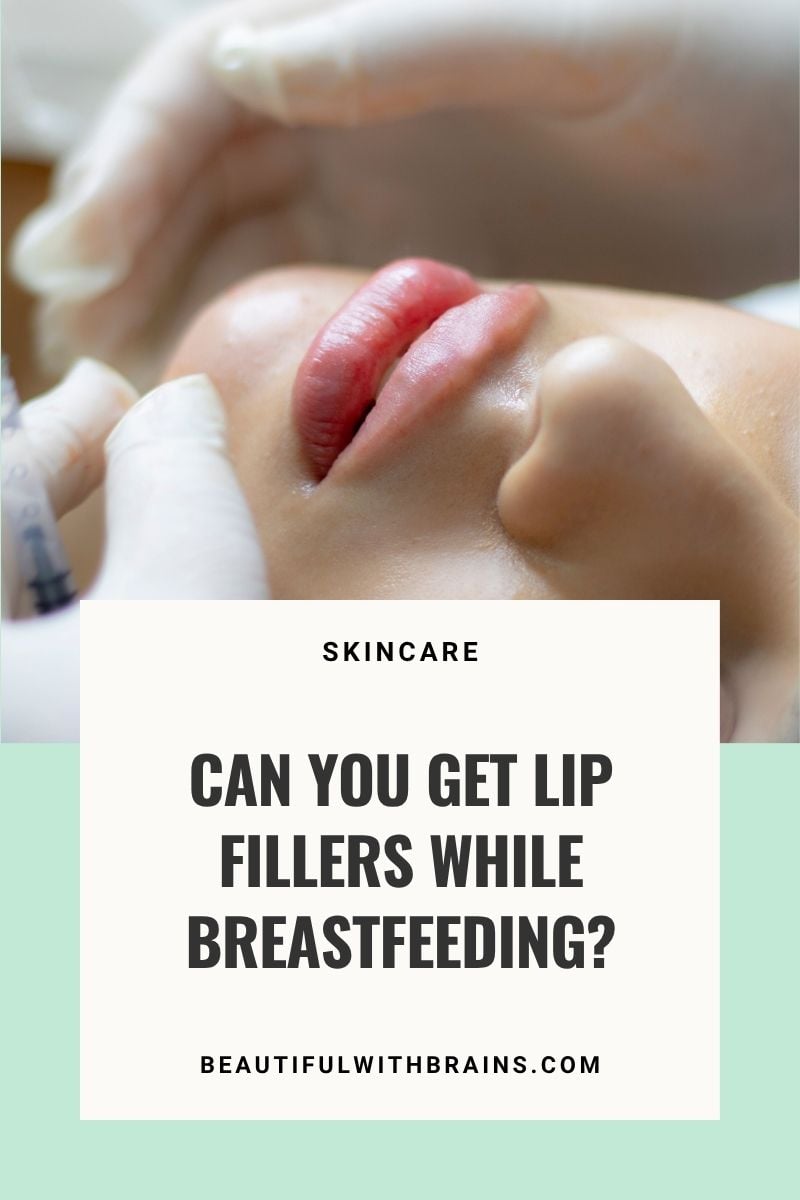
If you’ve just had a baby and you’re wondering whether you can get lip fillers while breastfeeding, here’s the situation: you’ve spent the better part of a year being told what you can and can’t put in or on your body, you’re finally on the other side of it, and you just want your lips back. Maybe pregnancy deflated them. Maybe you had fillers before and they’ve dissolved. Maybe you’ve just been eyeing your face in the mirror thinking something feels off and you know exactly what would fix it. Either way, you’re breastfeeding, you’re not sure if it’s safe. This article breaks down what the science says about lip fillers and breastfeeding, what the real risks are, and what you actually need to think about before booking.
Do Lip Fillers Get Into Your Breast Milk?
A common concern is, can anything from a lip filler treatment actually reach your breast milk and get to your baby? I see why, after all these are injectable treatments and they require careful consideration in this special time of your life. The short answer, based on how these products work biologically, is almost certainly no – and here’s why. Let’s look at the different types of filters first:
HYALURONIC ACID (JUVEDERM, RESTYLANE, BELOTERO)
The vast majority of modern lip fillers are made from hyaluronic acid, which is a naturally occurring substance already found all over your body. It’s in your skin, your joints, your connective tissue. Your body makes it constantly and breaks it down constantly. Hyaluronic acid fillers like Juvederm and Restylane are injected directly into the lip tissue, where they sit and do their job and are then very slowly broken down by an enzyme called hyaluronidase that your body produces naturally.
The critical point here is that hyaluronic acid fillers have what scientists call minimal systemic absorption. That’s a fancy way of saying they don’t really enter your bloodstream in any big amount. They stay local. And for something to end up in your breast milk, it has to first get into your bloodstream in sufficient quantities to cross into the milk. Since HA fillers don’t do that under normal circumstances, it won’t do it when you’re nursing.
CALCIUM HYDROXYLAPATITE (RADIESSE)
This one is made from a synthetic version of a mineral that already exists in your bones, suspended in a gel carrier. When it’s injected, it stays exactly where it’s placed and acts as a kind of scaffold that encourages your body to build collagen around it over time. It then slowly breaks down into calcium and phosphate ions, which sounds alarming but really isn’t, because those are minerals your body already produces, regulates, and handles completely normally every single day. It doesn’t enter your bloodstream in any big amount, which means it has no real pathway into your breast milk.
POLY-L-LACTIC ACID (SCULPTRA)
This one works a bit differently to the others. Instead of sitting in the tissue and adding volume directly, it stimulates your body to produce its own collagen gradually over multiple sessions. It’s made from a biodegradable plastic that breaks down slowly into lactic acid, which is something your body produces and metabolises all the time anyway. It doesn’t circulate in your bloodstream, so it has no route into your breast milk. It’s not commonly used in lips specifically (it’s more of a cheek and volume restoration filler) so if someone is recommending it for your lips, that’s worth a conversation.
Related: Skincare Ingredients To Avoid During Pregnancy And Breastfeeding
What About The Numbing Cream?
I told you about the filler itself what about the numbing cream? Before your injector goes in for the lip filler procedure, they’ll typically apply a local anesthetic (usually a lidocaine-based topical) to numb the area first, and a lot of HA fillers actually have a tiny amount of lidocaine already mixed into them for comfort. Lidocaine is actually the ingredient we have the most direct breastfeeding research on, and the news is good. Yes, small amounts do make it into breast milk, but the dose is low, and babies don’t absorb it well from milk anyway, so what actually reaches them is pretty negligible. The only real precaution with numbing cream is keeping it away from your nipples , which, given that we’re talking about your lips, is not exactly a concern here.
What Are The Potential Adverse Effects Of Lip Filler Injections For Postpartum Women?
The potential side effects associated with lip fillers during breastfeeding for new mothers are, for the most part, the same risks that apply to everyone getting lip fillers regardless of nursing status:
- Vascular occlusion: This is where filler accidentally enters a blood vessel and is the most serious complication in aesthetic treatments. It can cause tissue death if not treated immediately. It’s rare (estimated at fewer than 1 in 5,000 injections), but it’s real, and it’s the primary reason why choosing an experienced, qualified injector is a must. A skilled practitioner (ideally a plastic surgeon, dermatologist, or similarly credentialed clinician rather than someone operating out of a less regulated setting) knows the facial anatomy, uses proper technique, and has hyaluronidase on hand to reverse HA filler if something goes wrong.
- Allergic reactions: This depends on the type of filler. Adverse reactions to hyaluronic acid fillers are uncommon, since HA is a natural substance the body recognises. Swelling, bruising, redness, and tenderness at injection sites are the typical adverse events, and they’re mild and temporary. But rare doesn’t mean impossible.
While we’re on the subject, there’s also no evidence that lip fillers affect milk supply or interfere with the hormonal changes of the postpartum period. The filler is sitting in your lips, not interacting with your endocrine system. Phew!
When Is It Ok For A New Mom To Have Lip Fillers?
Here’s the thing: there’s no official rule that says “you can get fillers on X date.” No definitive answer on when is the right time to start cosmetic injectables again. But here are some safety considerations before you book your appointment:
The early weeks after having a baby are probably not when you want to be getting anything injected, and it’s got nothing to do with your baby’s safety. Your hormones are all over the place (oestrogen and progesterone crash after birth while prolactin surges to support your milk) and that can make your body react to filler differently than it normally would. More swelling, less predictable healing, results that might look weird until everything settles. You could spend good money on your lips and not even like what you see, just because your body isn’t back to normal yet. Most injectors say wait at least six weeks, and a bit longer than that honestly makes more sense.
Once you’re through that initial recovery, there’s no strong scientific reason that breast feeding itself should stop you from going ahead. The filler stays local, it doesn’t get into your blood, your milk is fine. Some practitioners will still tell you to wait until you’re done nursing just to be cautious, and if you’re the type who’d spend the whole time worrying about it and prefer to err on the side of caution, waiting costs you nothing.
The Bottom Line
There’s no evidence that getting lip fillers while breastfeeding harms your baby, the mechanism for harm doesn’t really exist given how these products behave in the body, and the expert consensus from lactation specialists supports continuing to nurse normally after the procedure. What you don’t have are clinical studies proving it definitively, because that research hasn’t been done (for obvious reasons!!!). At least now you have all the info to make an informed decision about the safety of lip fillers for you and your unique needs.